Log in

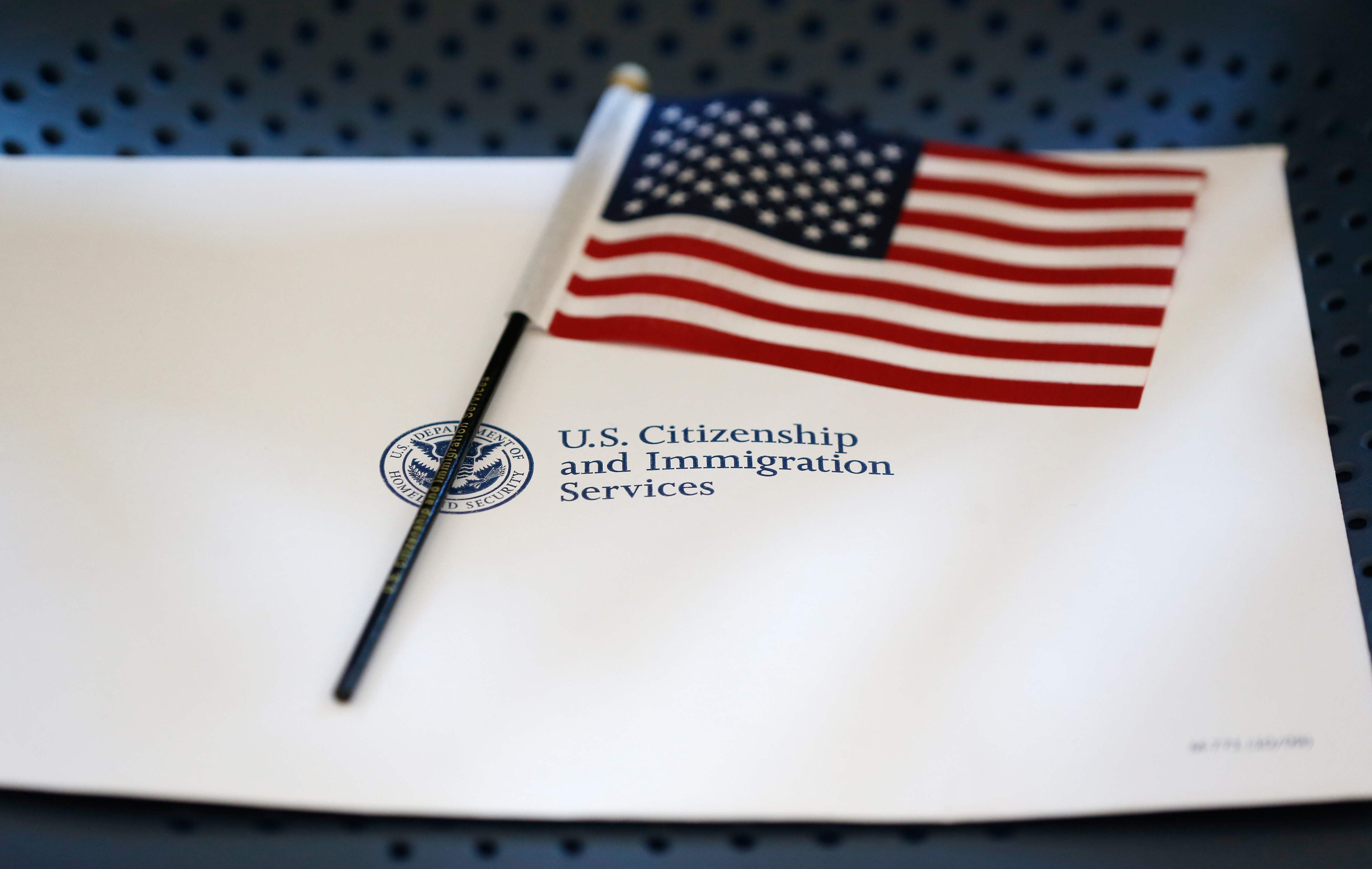
Foreigners in the U.S. who want a green card will need to leave and apply in their home country, the Trump administration announced Friday, in a surprise change to a longstanding policy.
(Image credit: Wilfredo Lee)

Foreigners in the U.S. who want a green card will need to leave and apply in their home country, the Trump administration announced Friday, in a surprise change to a longstanding policy.
(Image credit: Wilfredo Lee)


You could forgive Stephen Colbert for indulging in a little reminiscence the past few nights. His time at The Late Show was coming to an end, after all, and with it the entire Late Show itself—the first legitimate network TV challenger to The Tonight Show’s stranglehold on America’s bedtime viewing habits. (“Network” qualifier forever necessary since The Arsenio Hall Show had managed the feat first, albeit in syndication.) It was a historic occasion—not least of all because the show was arguably done in by presidential decree—so the sentimentality of farewells from favorite guests and cheeky looks back at the “worst” of The Late Show With Stephen Colbert were warranted.
That all culminated in Thursday night’s finale, which wasn’t so much steeped in the history of The Late Show or Colbert’s three decades in late night as it was the history of television as a whole. It began with the good old-fashioned found-footage mashup in the cold open, which assembled a toast to and roast of Colbert from talk-shows clips that reached as far back as The Tonight Show’s first two hosts, Steve Allen and Jack Paar. That sense escalated with the entrance of Colbert’s final guest, Paul McCartney, a flashy booking marking the significance of a talk-show franchise as well as its home base. The Ed Sullivan Theater hosted The Late Show longer than either David Letterman or Stephen Colbert, but it welcomed McCartney decades before either of them, when The Beatles brought the British Invasion to CBS across three episodes of Sullivan’s eponymous variety show in 1964.
An audience with McCartney and a microphone to his right during a show-closing rendition of “Hello, Goodbye” were appropriately celebratory ways to send Colbert off. But they also drove home another detail about the finale: Unlike Letterman’s sign-off in 2015, there was nothing to look forward to on the other side of this one. No one’s inheriting the Late Show desk. Nobody’s raiding clubs, theaters, TikTok, the Dropout roster, or the Onion newsroom to assemble a new talk-show staff and tasking them with getting topical, silly, or some mixture of the two on a national stage. Colbert’s the one with a future here, free to apply his intelligence and go-for-broke screen presence to any number of creative endeavors now that the golden handcuffs of joking about the news every night have been taken from him. It’s late-night TV that’s feeling even more like a relic of the past than it did before.
Consider the contents of Colbert’s final Late Show. Of the programs featured in the opening montage, the most recent to premiere was The Rundown With Robin Thede, which debuted in 2017—and concluded in 2018. Nodding toward The Ed Sullivan Theater’s history gave the finale context and heft, but it also meant Colbert and McCartney spent the first segment of their interview discussing events that took place more than 60 years ago. A running gag about a glowing green wormhole threatening to swallow the theater whole—and maybe all of late night with it—pepped up the usual talk-show valediction with some visual pizazz and Colbert-appropriate sci-fi nonsense. But its final beat alluded to a primetime drama that went off the air back when Letterman was still on NBC.

CBS aired its final installment of The Late Show tonight, with Stephen Colbert—class act that he is—starting things off with a reminder that he has always referred to the series as “the joy machine,” before gently letting a wide swathe of cameoing celebrities down in their dreams of being his “last guest.” Bryan Cranston, Paul Rudd, Tim Meadows, Tig Notaro, and Ryan Reynolds all crashed the Ed Sullivan Theater for one last early hurrah, with Colbert reveling in his role as the ringmaster of the chaos for a final time.


Read more of this story at Slashdot.

While dozens of states have taken legal action against the controversial industry, Minnesota is the first state to pass a law making it a felony for companies like Kalshi and Polymarket to operate.
(Image credit: Steve Karnowski)


The Cook County Board of Commissioners on May 14 approved roughly $1 million to nearly double the size of Sheriff Tom Dart’s license plate reader network. The vote came a day after the sheriff’s office admitted it had worked with the surveillance company Flock Safety for years without an active contract governing the collection or […]
The post Cook County expands Flock license plate reader network appeared first on Chicago Reader.