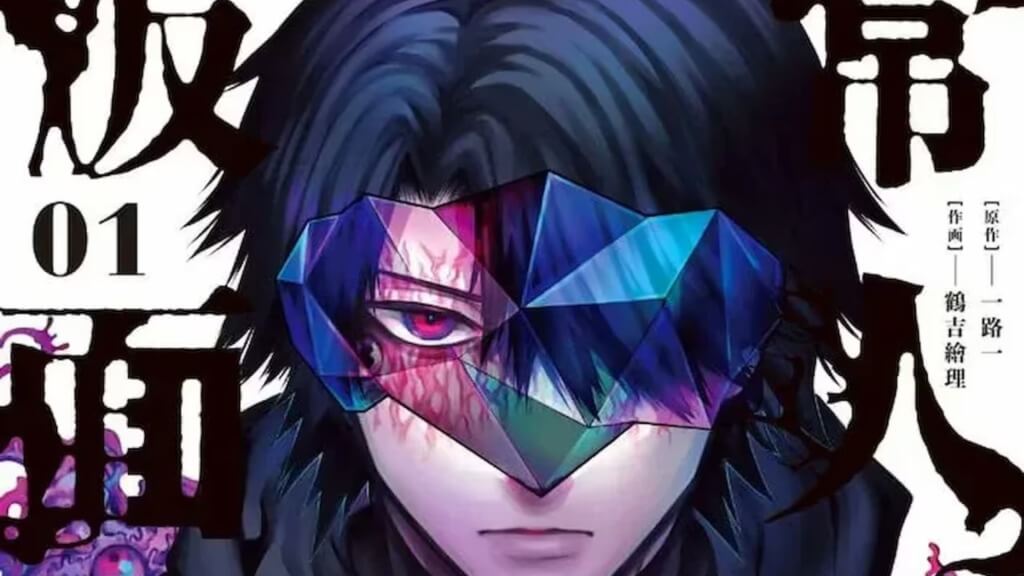
The victim met Kurita at a private high school where he was a teacher, and she was a student. She said that when she was 15, he groped her after offering to drive her home. Then, when she was 16, he invited her to a hotel where he raped her for the first time. According to Ashita no Keizai Shimbun, the lawsuit also stated that Kurita forced her into increasingly degrading acts that included taking pictures with the word “slave” written on her body and eating excrement as “punishment.” The victim said she felt forced to comply because “refusing would jeopardize her high school life” and that she “didn’t know what would happen if she refused when alone with him in a closed room.” She would later be diagnosed with post-traumatic stress disorder and dissociative identity disorder. Kurita admitted to having a relationship with the victim, but argued that it was “consensual” despite her being 15 the first time he assaulted her. In a statement after the ruling, the victim discussed how Kurita had deliberately acted like a father figure and groomed her.
The fact that Kurita’s editor not only knew about at least some of these allegations but also tried to help him buy the victim’s silence shows how abusive creators are both permitted and actively enabled to conduct this behavior in the manga industry. Whether the editor was attempting to sweep this clear case of grooming under the rug so they could get back to business or because they simply didn’t believe the victim, it’s clear that in some manga editors’ eyes, being credibly accused of sexually abusing children isn’t enough to sever ties.
This wasn’t the only case where MangaOne‘s editorial staff disregarded sexual abuse allegations, and an internal investigation by its parent company, Shogakukan, found that the publication had another author who was a convicted sex offender. Tatsuya Matsuki, who wrote the manga Act-age for the publication Weekly Shonen Jump, admitted to groping a middle school student in public before fleeing on a bicycle. He received an 18-month sentence, with a three-year suspended sentence. After the suspended sentence expired without Matsuki serving jail time, he was interviewed by an editor at MangaOne, and with the editor-in-chief’s approval, was allowed to begin a new series, Seisō no Shinri-shi, under the pen name Miki Yatsunami. Matsuki apparently suggested using the pen name, claiming it was to avoid reminding the victim of the incident. These circumstances are different in that Matsuki had apparently undergone rehabilitation related to his sentencing and claimed he used a pseudonym to avoid hurting the victim, but his actions, combined with those of several MangaOne editors, still come across as a deliberate attempt to deceive the public and avoid backlash.
MangaOne isn’t the only manga publication that has platformed authors convicted of sex crimes related to children: The best-selling manga magazine of all time, Weekly Shonen Jump (One Piece, Naruto, Dragon Ball, etc.), has done this repeatedly. Manga author Mitsutoshi Shimabukuro was arrested for soliciting sex from a minor in 2002, but Weekly Shonen Jump published several of his works after the fact, such as Chingiri, Build King, and his most well-known comic, Toriko. There’s also Nobuhiro Watsuki, the author of Shonen Jump’s popular Rurouni Kenshin, who was arrested in 2017 for possessing dozens of DVDs containing child pornography. After paying a fine, the magazine allowed him to come back to work on Rurouni Kenshin: The Hokkaido Arc just eight months after the arrest.
These incidents point to a pattern: Many editors at these magazines did not view sex crime convictions as something that should disqualify these authors from serialization. In response to the controversy, MangaOne’s editorial staff put out a statement clarifying that, in the case of Matsuki, they didn’t believe “he should be denied the possibility of aiming for reintegration into society” (translation from Google Translate). Even if that’s true, he shouldn’t have been allowed to duck responsibility by publishing anonymously. In the case of Watsuki, he didn’t even have to go through the trouble of dealing with cancellations and pen names, because Shonen Jump handed him back his popular series right after he was sentenced. This lack of consequences in both the manga sphere and the Japanese criminal justice system—none of the previously mentioned convictions resulted in actual jail time—establishes a structure of complicity where victims are left out to dry.
After Watsuki was convicted, Shonen Jump put together a 30th anniversary celebration for Rurouni Kenshin. A long list of the magazine’s biggest names drew tribute art, such as Eiichiro Oda (One Piece), Hirohiko Araki (JoJo’s Bizarre Adventure), Gege Akutami (Jujutsu Kaisen), Masashi Kishimoto (Naruto), Yoshihiro Togashi (Hunter x Hunter), and dozens more. None of them publicly spoke out against the author. In response to the more recent MangaOne controversies, animator Ikuo Gesu offered a particularly telling reaction on X (translation provided by Anime Updates): “Expecting manga artists to be pure, spotless, sacred, pristine figures… man, the world’s really changed. And not in a good way.” Even beyond whatever “cancel culture is bad”-related point Gesu was trying to make, it is essential to avoid platforming authors like Kurita because they can use their position to ensnare vulnerable people. According to reporting from Lawyer JP News, Kurita used his status as a published manga artist to groom his victim, who had wanted to enter the field. He allegedly told her things like “I’ll tell you about manga” and “I’ll tell you some behind-the-scenes stories” when he invited her to private locations off school grounds. Sexual predators like Harvey Weinstein have used a similar tack, using their power and influence in the entertainment industry to coerce their victims with promises of helping them break through in an extremely competitive field.
If there’s a thin silver lining in the MangaOne scandal, it’s that numerous creators have pulled their series from the app in response, showing that many in the industry are disgusted with these circumstances. Authors like Sumito Oowara (Keep Your Hands Off Eizouken!), Ryuhei Tamura (Cosmos), and more have condemned MangaOne and had their series either removed or suspended from the service. Eno Akemi, another author serialized in the publication, drew attention to the controversy on their blog and called out several editors who enabled Kurita by name.
While only time will tell if this backlash leads to meaningful change in the industry, manga publications can begin with a very simple step: Don’t platform people who have been convicted of sexually abusing children. That would seem a straightforward ask, but in a world where the rich and powerful named in the Epstein files have largely evaded justice, it will likely take continued financial blowback and brave people willing to put their livelihoods on the line to make that happen.

 Log in